

Restoring Balance at Dorsey Spring
Riparian restoration effort aims to protect a rare spring-fed floodplain forest, strengthen stream and habitat resilience and ensure future generations of native trees along Bear Creek
By Scott Zager, GRIP GIS Specialist/Plant Ecologist
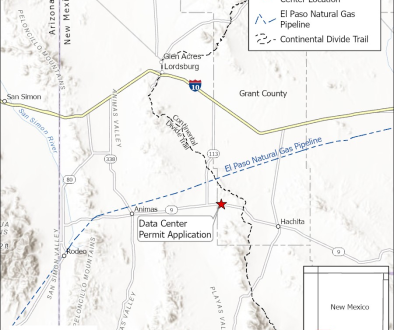
Last summer, GRIP began an ecological restoration project at Dorsey Spring, a 32-acre floodplain forest along Bear Creek in a remote corner of the Gila National Forest. Tucked between rugged bluffs below LS Mesa, this special place lies miles from the nearest paved road and can only be reached by a long drive on a high-clearance two-track.
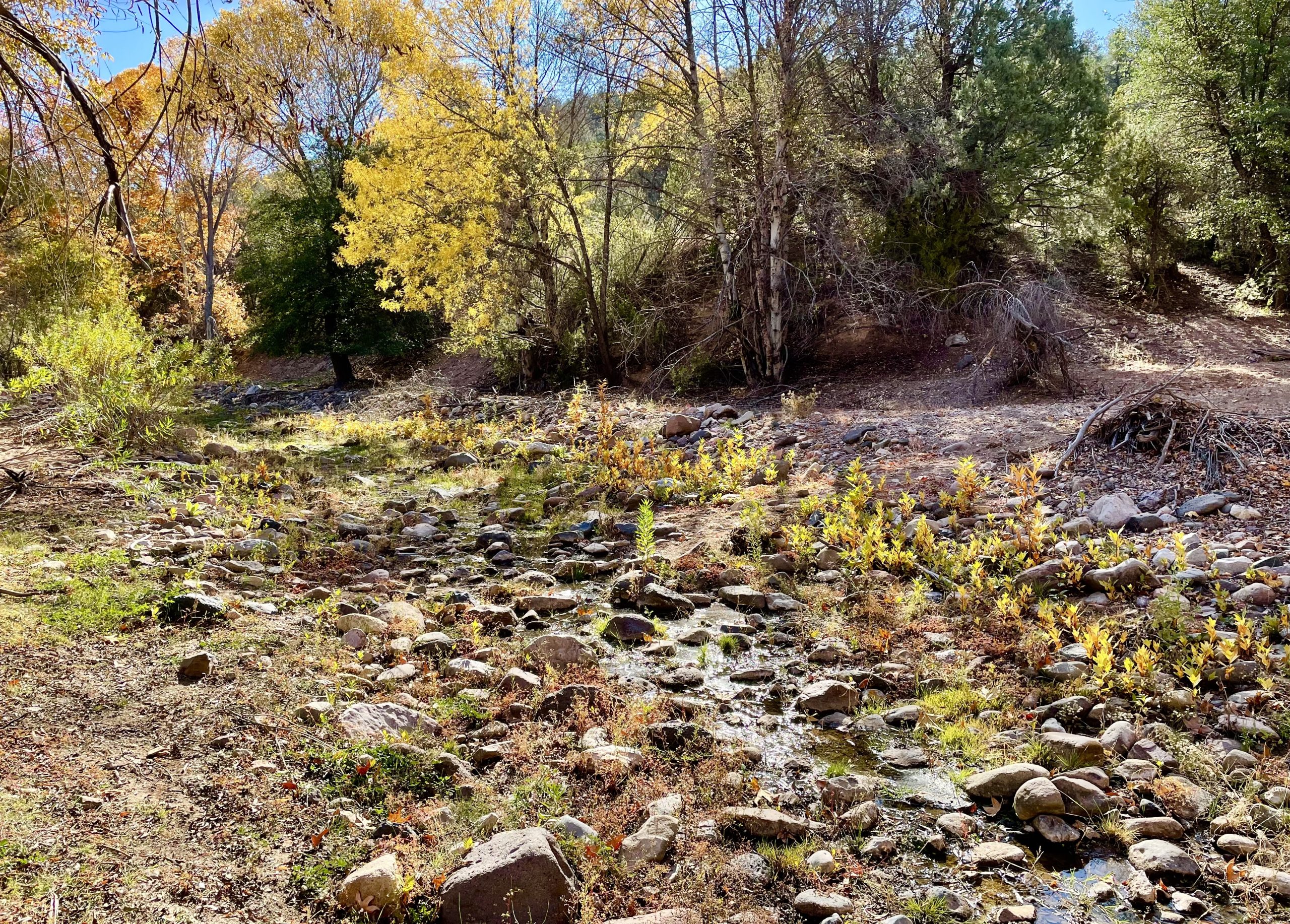
In fall 2025, the Gila Watershed was especially breathtaking. From the hilltops, Bear Creek winds through a golden ribbon of Arizona sycamore, cottonwood, Gooddings willow, alder, and velvet ash, glowing against dark green scrub oak, piñon, and juniper. The cliffs rise steep and speckled, built from ancient stones fused together into towering bluffs, while pockets of loamy soil cradle the floodplain forest below.
Although Bear Creek often runs dry, Dorsey Spring brings life back to the valley. Cool, clear water emerges from bedrock aquifers, forming pools and riffles that provide habitat for the endangered loach minnow and Chiricahua leopard frog found only in this region of southwest New Mexico and southeast Arizona.
These species survive drought in spring-fed pools and spread during seasonal floods, making this place a vital refuge. Yet the forest is aging. Beneath towering old sycamores and cottonwoods, there are very few young seedlings coming up to take their place. It’s a beautiful but fragile community — more like a neighborhood of elders than a thriving, multi-generational forest.
With funding from the NM Environment Department River Stewardship Program, GRIP is working to change that. In November GRIP’s contractor Noland Tough Fence built a fence to protect 32 acres of Dorsey Spring and 0.7 miles of Bear Creek. This spring, we’ll work with Stream Dynamics and volunteers to plant willows, sow seeds of native grasses, and build check dams to repair erosion. We’ll evaluate the success of the project by comparing our vegetation monitoring results before and after the fence and restoration work were completed. By restoring native grasses, planting willows, protecting streambanks, and reducing erosion and herbivory, we aim to give this ecological gem a future. Our goal is simple: improve water quality, stabilize streambanks, and facilitate the ongoing recruitment and growth of new generations of trees that will keep Dorsey Spring and its riparian forest alive for decades to come.